This animation was created in collaboration with Dr. Jason Shepherd at the University of Utah to present his proposed mechanism for how the neuronal gene Arc mediates a novel form of intercellular communication in the brain.
This animation was created for Dr. Hao Wu at Harvard Medical School to highlight her research on how the NLRP3 inflammasome activates caspase-1, leading to gasdermin D–mediated pyroptosis.
This animation was created for Dr. Peter Shen at the University of Utah to accompany his publication and explain how viruses alter ribosome dynamics to manipulate protein synthesis in mammalian cells.
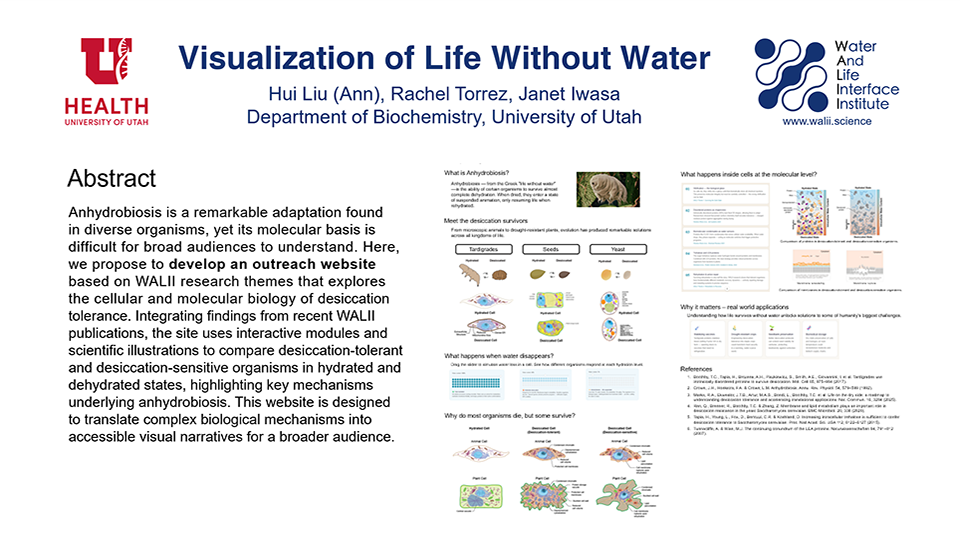
This animation was created for Dr. Shahar Sukenik at Syracuse University to visualize changes in the cytoplasmic proteome of yeast cells during desiccation and rehydration.
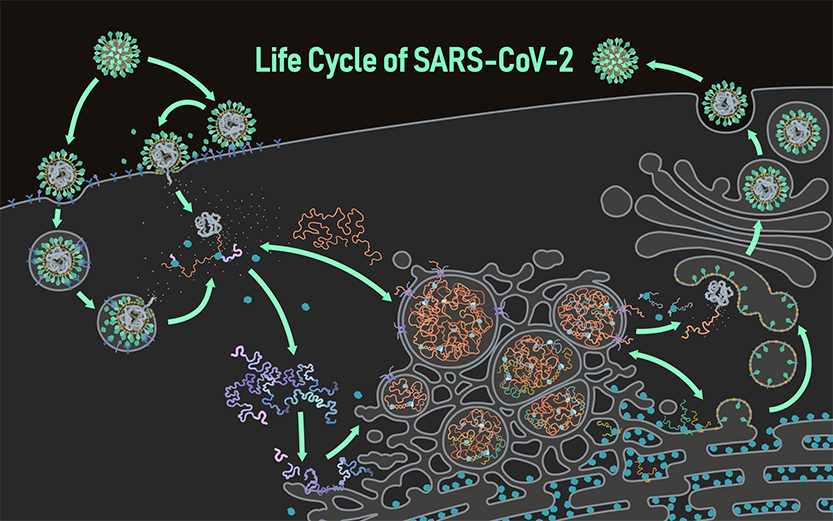
This interactive annotation interface was developed to facilitate rapid, transparent knowledge sharing about the SARS-CoV-2 life cycle. This platform presents detailed molecular animations and allows users to explore the scientific data used to create the animations and engage in discussion through comments and questions.
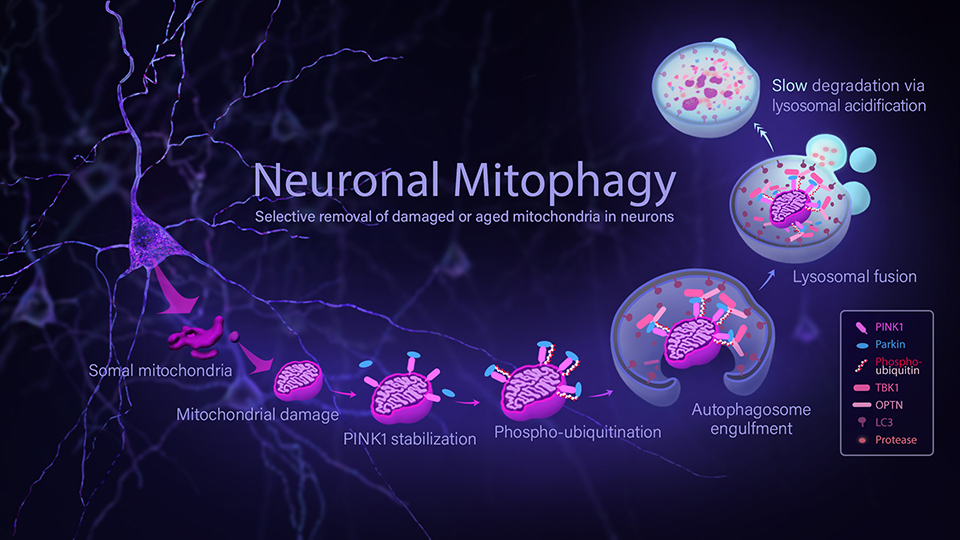
We launched the “Seeing Diversity” project during the pandemic to promote diversity in biomedical sciences. This illustration was created for Dr. Chantell Evans at Duke University to highlight her research on mitochondrial quality control mechanisms in neurons.
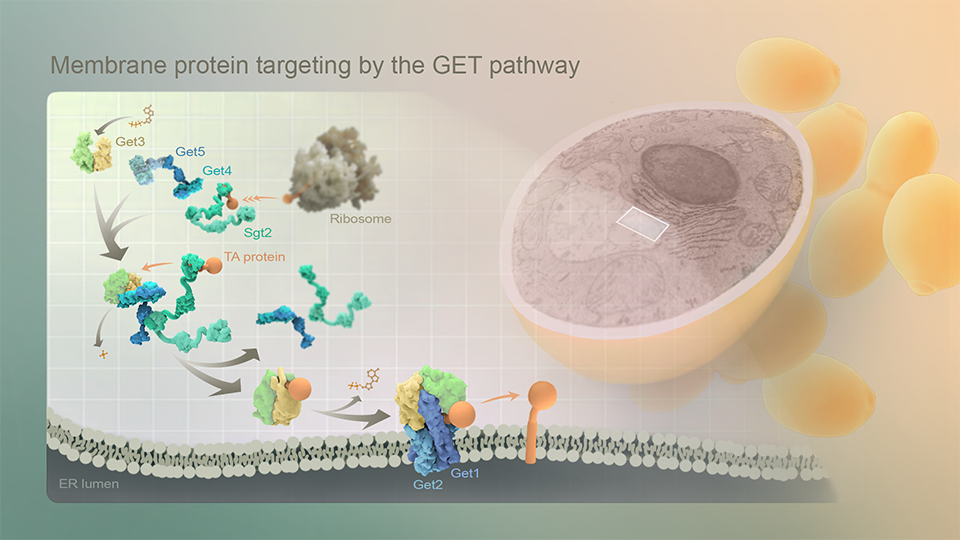
This illustration was created for Dr. Bil Clemons at the California Institute of Technology to highlight his research on the GET pathway for membrane protein targeting.
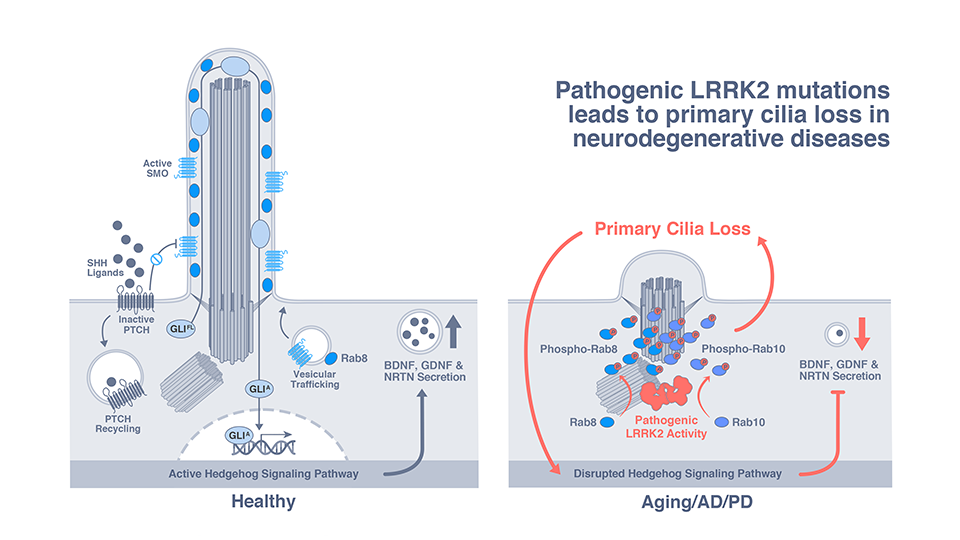
This illustration was created for Dr. Shahzad Khan at the University of North Carolina at Chapel Hill to highlight his studies on the molecular mechanisms of primary cilia loss in neurodegenerative diseases.
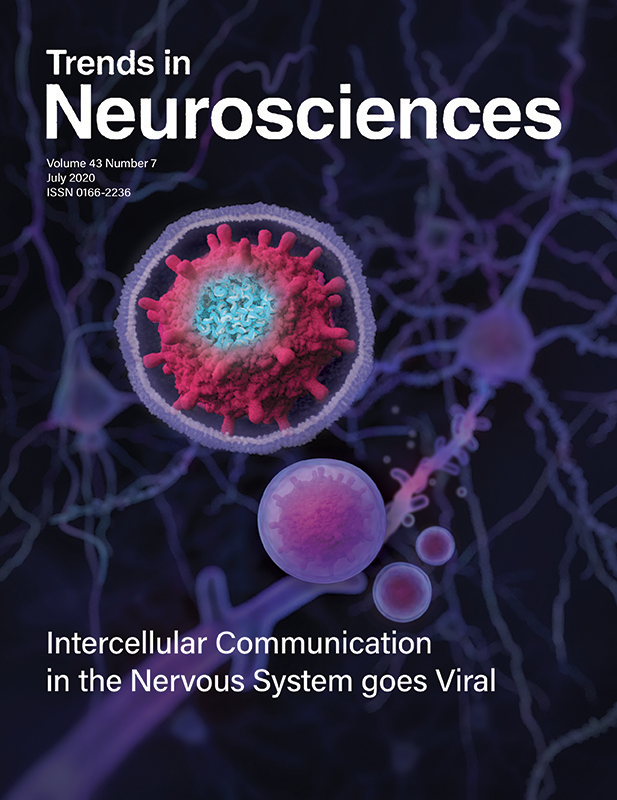
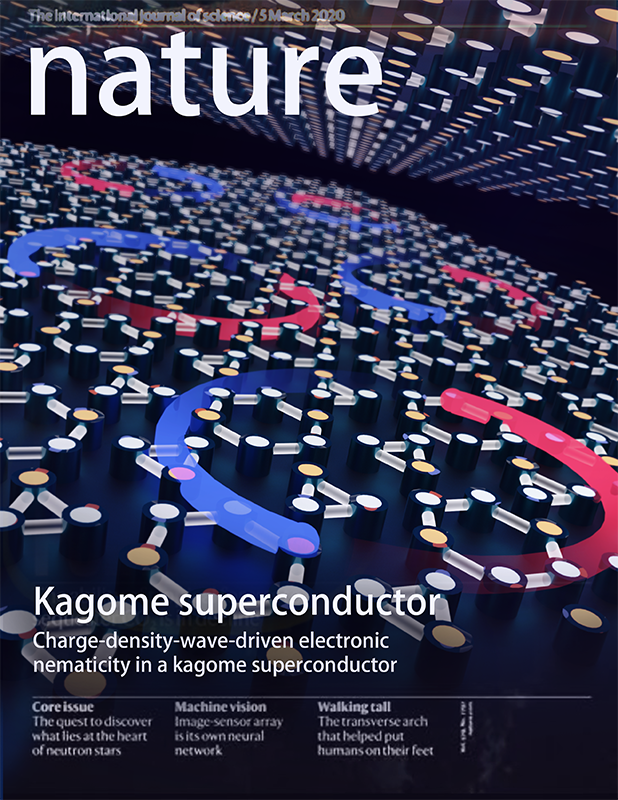
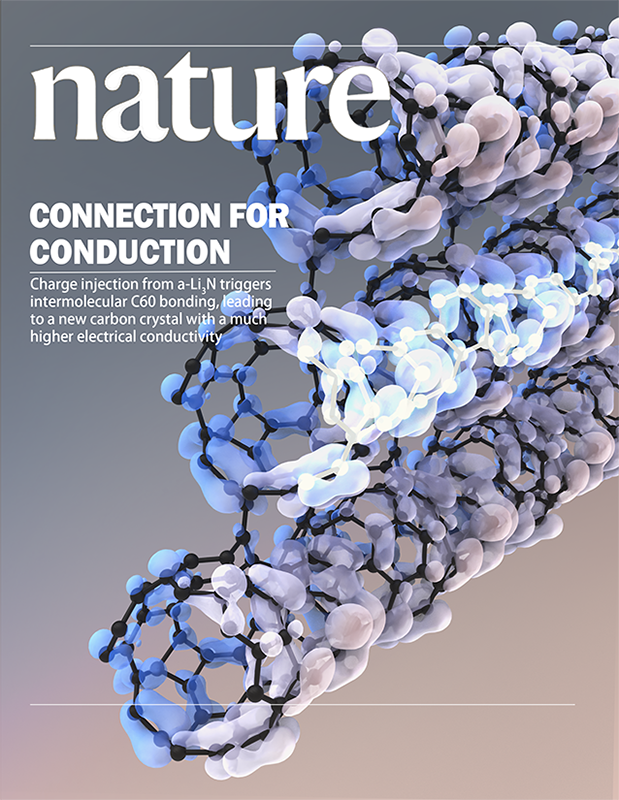
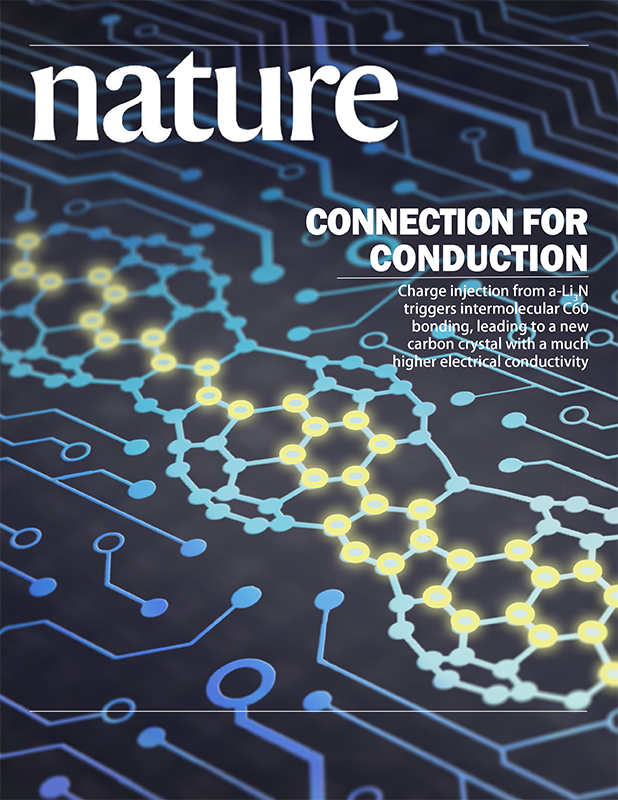
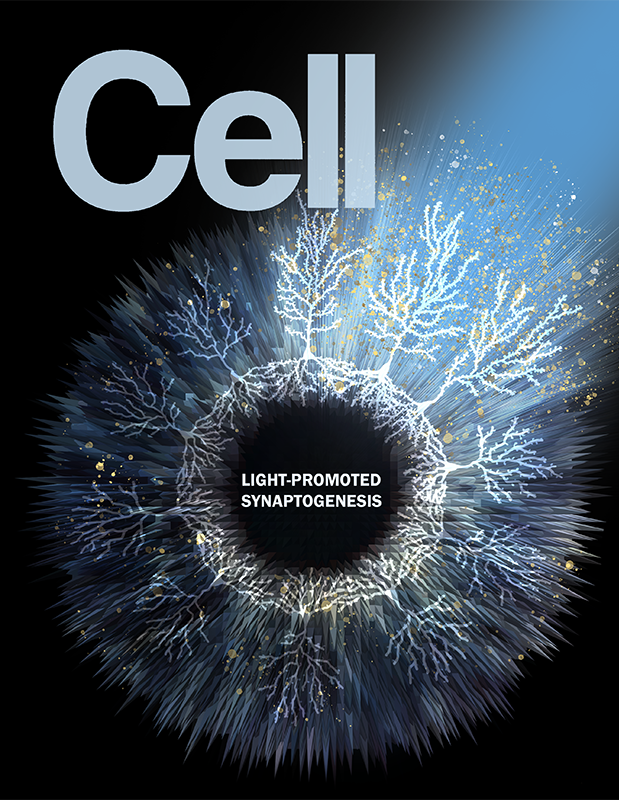
These illustrations were created for researchers in neuroscience, chemistry, and materials science to showcase their work on journal covers.